The value chain for synthetic biology-based biomanufacturing technologies can be divided into four stages: DBTL cycle technology development, DBTL cycle optimization, production process development, and final product development.
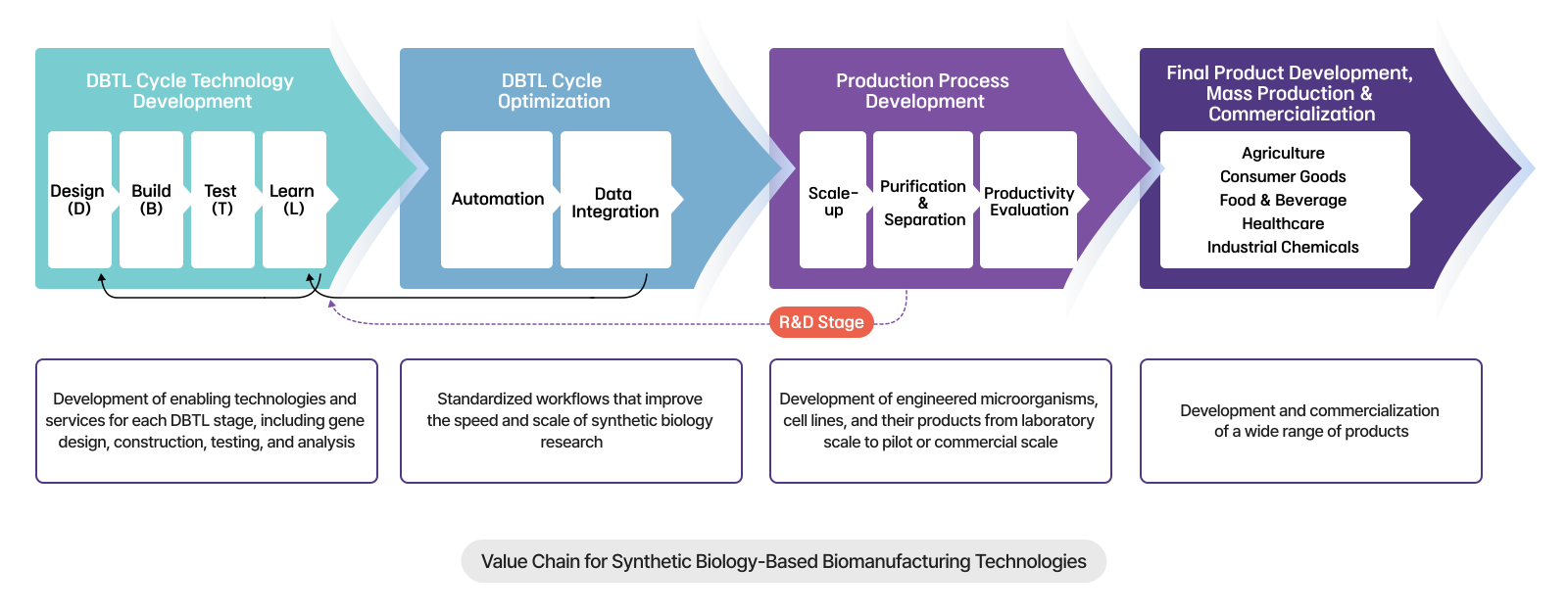
Detailed Technologies Across the Synthetic Biology Value Chain
| Technology Stage | Detailed Technology | Description |
|---|---|---|
| DBTL Cycle Technology Development | Design (D) | Design of DNA, proteins, cells, and enzymes for the production of target substances |
| Build (B) | Construction of DNA, proteins, cells, and enzymes through gene synthesis, cellular introduction, and genome editing | |
| Test (T) | Performance data acquisition and high-throughput analysis of engineered biological samples | |
| Learn (L) | Machine learning-based evaluation and analysis of experimental outputs to optimize production processes | |
| DBTL Cycle Optimization | Automation | Development and standardization of optimized workflows through process automation |
| Data Integration | Integration and management of laboratory and production data to improve productivity and operational efficiency | |
| Production Process Development | Scale-up | Development of processes for commercial-scale production using demonstration plants |
| Purification & Separation | Recovery and purification of metabolites from microbial cultures and production strains | |
| Productivity Evaluation | Analysis of production efficiency across the entire manufacturing process and techno-economic analysis |